Global EditionTuesday, 26 May 2026 at 02:03 pmLive Desk OpenPremium world briefings with timeline, impact, and future-watch analysis.
Health & Science

​The continent with only 11 permanent citizens: 10 fascinating facts about Antarctica​

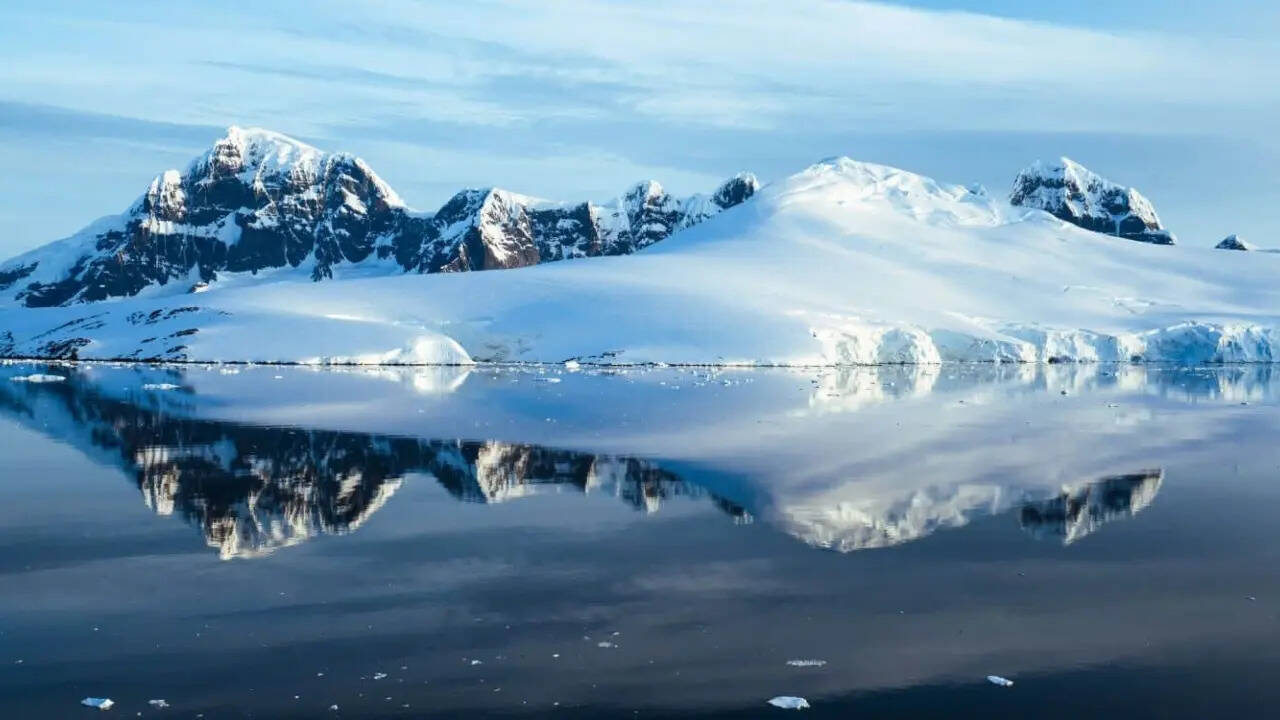
Antarctica is well-known as the Earth’s most extreme outpost — it’s freezing, lonely, and mysterious. In winter, temperatures plunge even below -80°C. Months can pass without sunlight, and some stretches haven’t seen a drop of rain in nearly two million years. Yet this icy land still captures the world’s imagination, drawing scientists, explorers, and dreamers to its endless white. What’s more interesting? Covered by ice sheets holding around 70% of the planet’s freshwater, the continent plays a crucial role in regulating Earth’s climate and ocean systems.But what surprises many people the most is that Antarctica has no permanent human population in the way other continents do. Sure, thousands of scientists and support staff temporarily live there throughout the year, but only a tiny number of people can technically claim any form of Antarctic “citizenship” through birth or long-term residency connections. At certain points during winter, some remote stations may have only a handful of people remaining across enormous stretches of ice-covered land.So, how come this continent has permanent citizens? Turns out, the common knowledge of Antarctica having 11 permanent residents comes more from trivia than solid facts. Per Explorer’s Web, the rumor about the "11 citizens" likely stems from a well-known historical fact: at least 11 babies have been born on the continent.The reason behind such a low population? Nobody really “lives” here like on other continents. Sure, thousands come and go for research and supply runs, but no one’s born here, and nobody puts down roots for life. It’s more outpost than home.What’s so fascinating about Antarctica? Here are ten reasons it’s in a league of its own.

Verified ContextSource-linkedAtlasHour DeskUpdated26 May, 12:57 amAI summary checked for clarity

What happened

Antarctica is well-known as the Earth’s most extreme outpost — it’s freezing, lonely, and mysterious.

Why it matters

AtlasHour context: this story may affect public policy, global affairs, business confidence, technology direction, energy security, or civic life.

Global context

The story is being tracked through Global Markets.

Who is affected

Global Markets are the visible context tags. AtlasHour frames them as audience, sector, and public-interest signals for editorial context.

What to watch next

Readers should watch official responses, local reaction, source updates, and whether the story changes the next decision cycle.

Read the original source
Why It Matters

The consequence layer

AtlasHour context: this story may affect public policy, global affairs, business confidence, technology direction, energy security, or civic life.

Watch Next

What To Watch Next

Next event: official statement, institutional response, or source update.

Public reaction: watch regional response and whether this story widens beyond the first report.

Next update window: the next 24 hours, or sooner if verified information changes.

Key Facts

Three facts to keep in view

1Source

Times of India

3 min readRead time

Designed for a concise world-news brief.

1Context tags

Used for editorial story mapping and source context.

Read Next

Related Stories

Read Next

More From This Section

AtlasHour updates articles as new verified information becomes available. Corrections and source context can be sent to the newsroom.