What happened
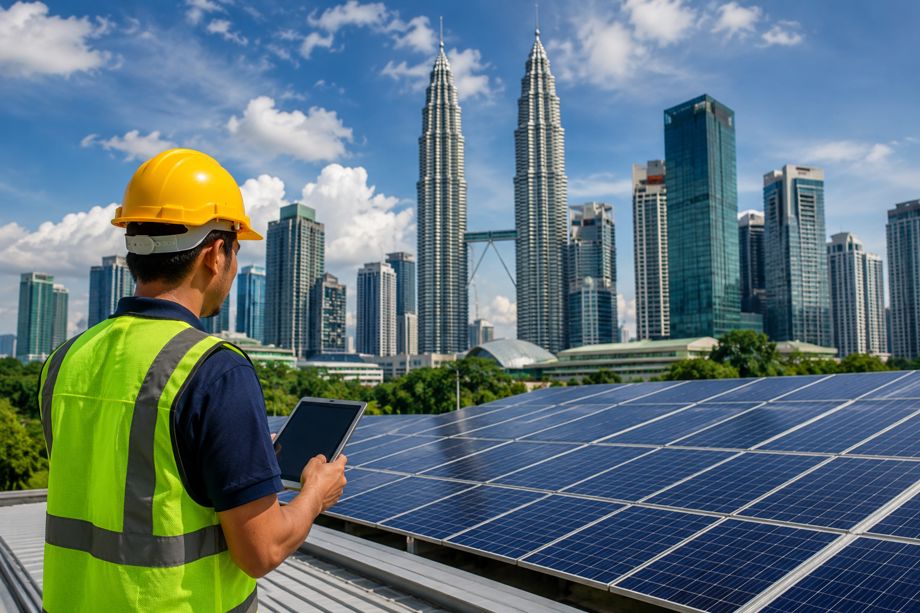
The World Bank’s Malaysia Country Climate and Development Report 2026 warns that climate change threatens Malaysia’s ambition of becoming a high-income nation, with rising floods, heat stress, and environmental degradation posing serious risks to the economy, infrastructure, agriculture, and public health.
Why it matters
AtlasHour context: this story may affect public policy, global affairs, business confidence, technology direction, energy security, or civic life.
Global context
The story is being tracked through Global Markets.
Who is affected
Global Markets
What to watch next
Readers should watch official responses, local reaction, source updates, and whether the story changes the next decision cycle.
The consequence layer
AtlasHour context: this story may affect public policy, global affairs, business confidence, technology direction, energy security, or civic life.
What To Watch Next
Three facts to keep in view
Devdiscourse
Designed for a concise world-news brief.
Used for editorial story mapping and source context.
Related Stories

Watch: Hidden WWII Nazi warships resurface as Danube hits 30-year low
Sunken Nazi warships have emerged from the Danube as water levels drop during Europe’s scorching heatwave. In Serbia, dozens of World War II German battleships have become visible on the riverbed. The ships, of which there are thought to be up to 200, were deliberately sunk by the Germans as they retreated from the Soviets towards the end of the war. The river’s water levels plummeted last Thursday (30 July) to the lowest levels for 30 years in several countries, including Serbia and Romania. The record-low levels could lead to an energy crisis across several European countries, as low water continues to disrupt cooling systems. In Serbia, the country’s main hydroelectric plant can now only operate at 20% of its capacity.

El Nino forecast: UN says record ocean warming could bring dangerous heat, droughts and floods worldwide
UN Secretary-General Antonio Guterres said the world is entering “uncharted territory,” cautioning that the developing El Niño will amplify the effects of climate change by bringing more heatwaves, droughts, wildfires and heavy rainfall.
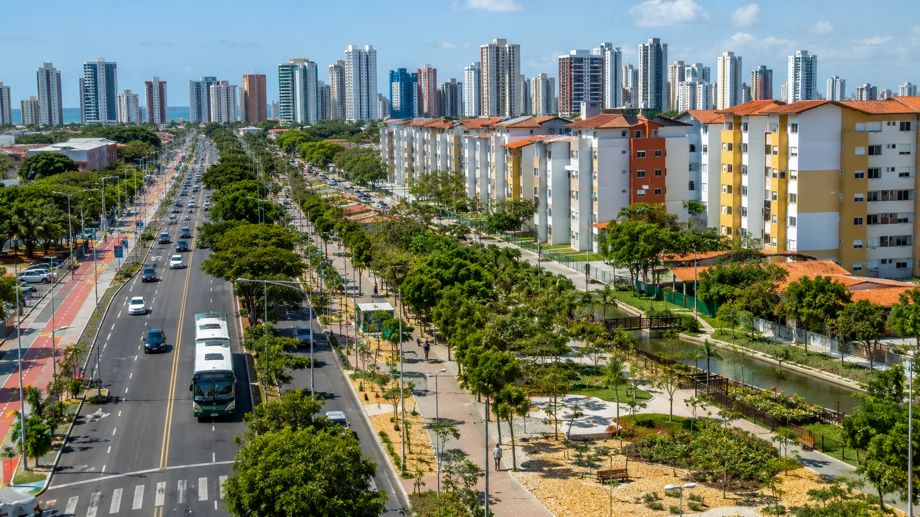
Fortaleza Links Tax Reform, Housing and Climate Action in High-Stakes Urban Overhaul
The World Bank Group is providing Fortaleza with a $177 million loan to support fiscal reforms, climate resilience, social housing and more sustainable urban development. The program reflects a broader challenge facing rapidly growing cities: environmental and social ambitions increasingly depend on whether municipal governments can raise revenue, control spending and preserve resources for long-term investment.
AtlasHour updates articles as new verified information becomes available. Corrections and source context can be sent to the newsroom.