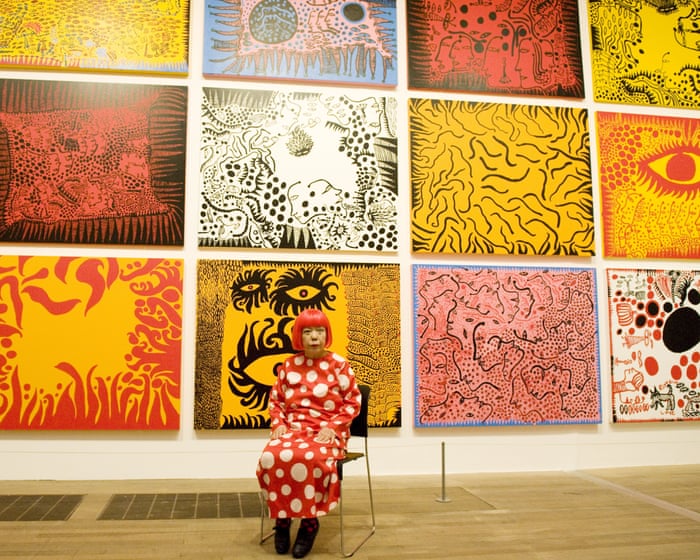
What happened
The pioneering Japanese artist talked openly about how her mental health and neurodivergence informed her creativity, paving the way for the likes of Turner prize winner Nnena Kalu Yayoi Kusama – who has died at the age of 97 – was 10 when she first started experiencing vivid hallucinations consisting of visual and aural disturbances, which she described as “flashes of light, auras, or dense fields of dots”.
Why it matters
AtlasHour context: this story may affect public policy, global affairs, business confidence, technology direction, energy security, or civic life.
Global context
The story is being tracked through Global Markets.
Who is affected
Global Markets
What to watch next
Readers should watch official responses, local reaction, source updates, and whether the story changes the next decision cycle.
The consequence layer
AtlasHour context: this story may affect public policy, global affairs, business confidence, technology direction, energy security, or civic life.
What To Watch Next
Three facts to keep in view
The Guardian
Designed for a concise world-news brief.
Used for editorial story mapping and source context.
Related Stories

Ebola outbreak over in Uganda but cases still rising in DR Congo
The outbreak of the Bundibugyo strain of Ebola in Uganda is over but it is still not under control in the neighbouring Democratic Republic of Congo. The Congolese government says there have been more than 2,700 deaths and more than 5,600 cases of Ebola and that transmission remains active.

Al Jazeera reports from hospital in flood-hit Nepal
Al Jazeera reports from hospital in Kathmandu, after flash floods swept through several districts in Nepal.
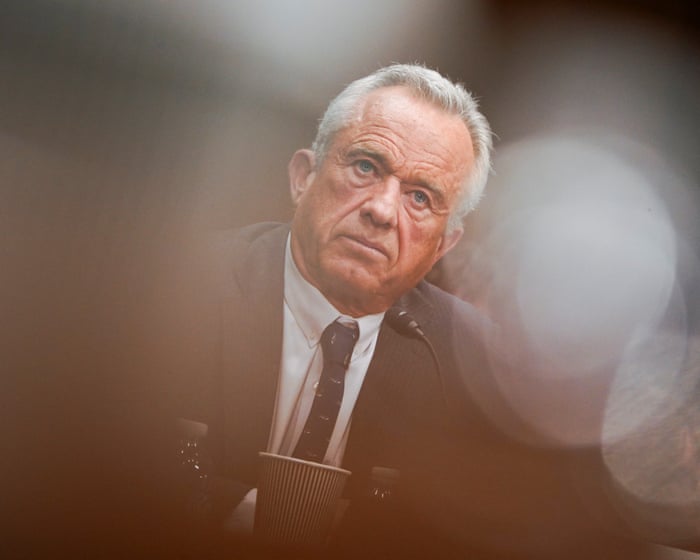
RFK Jr lied in Senate confirmation hearings, newly revealed documents indicate
Letters obtained by Guardian and AP contradict testimony that 2019 visit to Samoa had ‘nothing to do with vaccines’ Newly obtained documents indicate that the US health secretary, Robert F Kennedy Jr, lied during two congressional hearings last year, telling lawmakers who held the key to his confirmation that a 2019 visit to Samoa had “nothing to do with vaccines”. Letters obtained by the Guardian and the Associated Press contradict that testimony. In one he wrote to the Samoan prime minister before the trip, Kennedy explicitly said he wanted to study the measles, mumps and rubella vaccine in the Pacific island nation. In it, he used the words vaccine or vaccination eight times...
AtlasHour updates articles as new verified information becomes available. Corrections and source context can be sent to the newsroom.