What happened
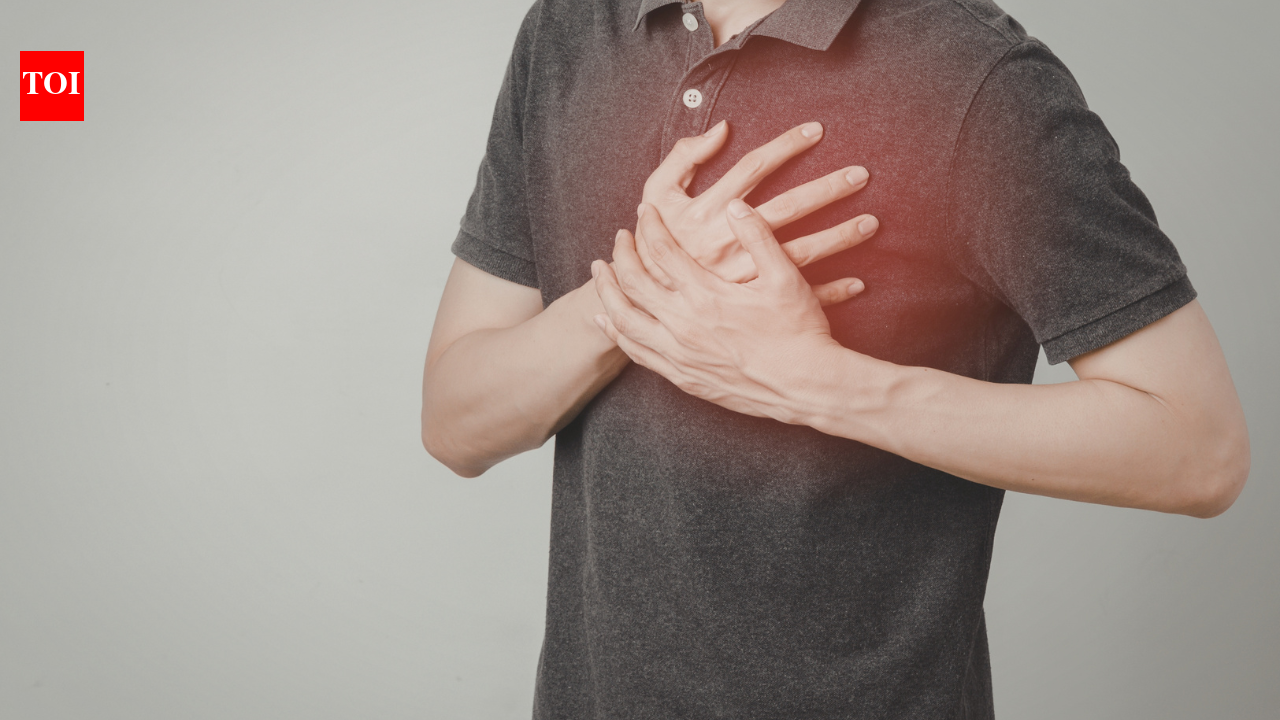
There was a time when heart disease carried a certain image in India.
Why it matters
AtlasHour context: this story may affect public policy, global affairs, business confidence, technology direction, energy security, or civic life.
Global context
The story is being tracked through India Equities.
Who is affected
India Equities
What to watch next
Readers should watch official responses, local reaction, source updates, and whether the story changes the next decision cycle.
The consequence layer
AtlasHour context: this story may affect public policy, global affairs, business confidence, technology direction, energy security, or civic life.
What To Watch Next
Three facts to keep in view
Times of India
Designed for a concise world-news brief.
Used for editorial story mapping and source context.
Related Stories

Africa CDC and WHO call for urgent, community-led action to contain Ebola in the DRC
The Africa Centres for Disease Control and Prevention (Africa CDC) and the World Health Organization (WHO) have called for an urgent scale-up of the community-led Ebola response in the Democratic Republic of the Congo (DRC), with stronger early detection, contact follow up, access to care, support for frontline health workers and faster delivery of resources to affected communities.

16 Ohio hospitals nationally recognized, and 1 is among best in US
U.S. News & World Report has released its 2026-27 hospital rankings, and one from Ohio is among the best in the nation.
AtlasHour updates articles as new verified information becomes available. Corrections and source context can be sent to the newsroom.