Global EditionPremium world briefings with timeline, impact, and future-watch analysis.
Democracy v the machine: the birth of the digital age and the warnings that were ignored
TechnologyThe Guardian18 Aug, 09:45 amAtlasHour
Technology

Democracy v the machine: the birth of the digital age and the warnings that were ignored

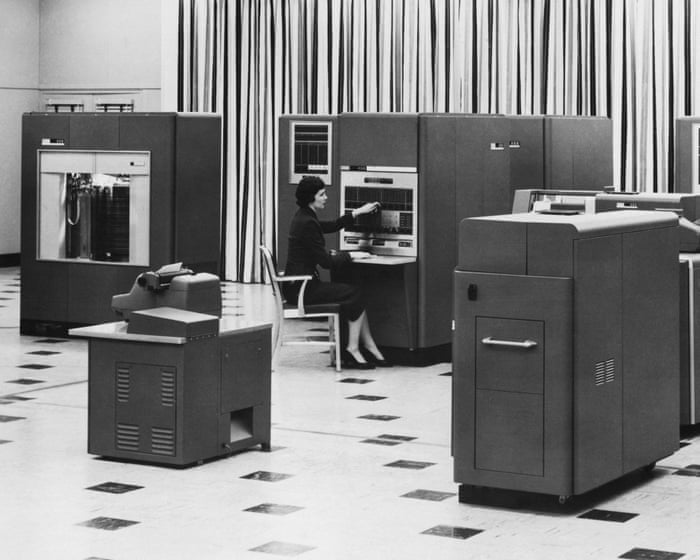
Many hoped that the march of technology would usher in an egalitarian utopia – but some foresaw the threat it would pose to liberal society. Why did nobody listen? One of the stranger things about this dizzying, headlong moment in time is that it doesn’t have much of a past. Everything is about the future of this, the future of that: the future of work, the future of humanity, the future of the planet. It’s as if everyone is screaming (some ecstatically, most terror-stricken): robots are taking over the world! Meanwhile, you can’t put down your phone, unplug, delete your AI apps, tell Zoom to piss off; it feels as if you are racing toward something, and can’t stop, or look back, or think straight. But of course this weird moment in history does have a past. It comes from somewhere. It wasn’t inevitable. Things could have turned out differently. They still can. And if you look back, one thing you’ll see is that a lot of people saw this all coming. They foresaw our present when it was still the future. They thought it might turn out fabulously, a computer utopia. And they worried it might turn out disastrously. Above all, they issued warning after warning about the rise of what I call the artificial state, the replacement of the liberal democratic nation-state, the consent of the governed, with the rule of people by machines. They warned of a future in which democratic deliberation would be replaced by prediction by calculation, the public sphere would be supplanted by data-driven commerce, and drones would take the place of the demos. Why didn’t anyone listen? The new underworld is made up of innocent and well-intentioned people who work with slide rules and calculating machines and computers which can retain an almost infinite number of bits of information as well as sort, categorise, and reproduce this information at the press of a button. Most of these people are highly educated, many of them are PhDs, and none that I have met have malignant political designs on the American public. They may, however, radically reconstruct the American political system, build a new politics, and even modify revered and venerable American institutions – facts of which they are blissfully innocent...

Source-linkedAtlasHour DeskThe Guardian18 Aug, 09:45 am

What happened

Many hoped that the march of technology would usher in an egalitarian utopia – but some foresaw the threat it would pose to liberal society.

Why it matters

AtlasHour context: this story may affect public policy, global affairs, business confidence, technology direction, energy security, or civic life.

Global context

The story is being tracked through Global Markets.

Who is affected

Global Markets

What to watch next

Readers should watch official responses, local reaction, source updates, and whether the story changes the next decision cycle.

Read the original source
Why It Matters

The consequence layer

AtlasHour context: this story may affect public policy, global affairs, business confidence, technology direction, energy security, or civic life.

Watch Next

What To Watch Next

Key Facts

Three facts to keep in view

1Source

The Guardian

2 min readRead time

Designed for a concise world-news brief.

1Context tags

Used for editorial story mapping and source context.

Read Next

Related Stories

AtlasHour updates articles as new verified information becomes available. Corrections and source context can be sent to the newsroom.