What happened
Author summary Developing effective interventions for health behaviours such as healthy eating and physical activity requires methods that can capture the complex, individual factors shaping people’s everyday experiences, including stress and motivation.
Why it matters
AtlasHour context: this story may affect public policy, global affairs, business confidence, technology direction, energy security, or civic life.
Global context
The story is being tracked through Global Markets.
Who is affected
Global Markets
What to watch next
Readers should watch official responses, local reaction, source updates, and whether the story changes the next decision cycle.
The consequence layer
AtlasHour context: this story may affect public policy, global affairs, business confidence, technology direction, energy security, or civic life.
What To Watch Next
Three facts to keep in view
PLOS (Public Library of Science)
Designed for a concise world-news brief.
Used for editorial story mapping and source context.
Related Stories

Safety fears as scientists make first viruses designed by AI
Researchers say breakthrough offers hope for new medicines but also raises urgent biosecurity questions Scientists have made the first viruses designed by artificial intelligence in a milestone that raises hopes for new medicines but also concerns over how to ensure the technology remains safe. The viruses are specific kinds known as bacteriophages, which only infect bacteria and are used around the world to treat patients with persistent infections. In lab tests, a cocktail of the AI-designed viruses killed E coli bugs that were resistant to natural bacteriophages...

In A World First, Scientists Used AI To Generate A Genome And Produced A Functional, Bacteria-Killing Virus
"If we do continue to advance the technology of these models then they’ll have a major positive impact on humanity."
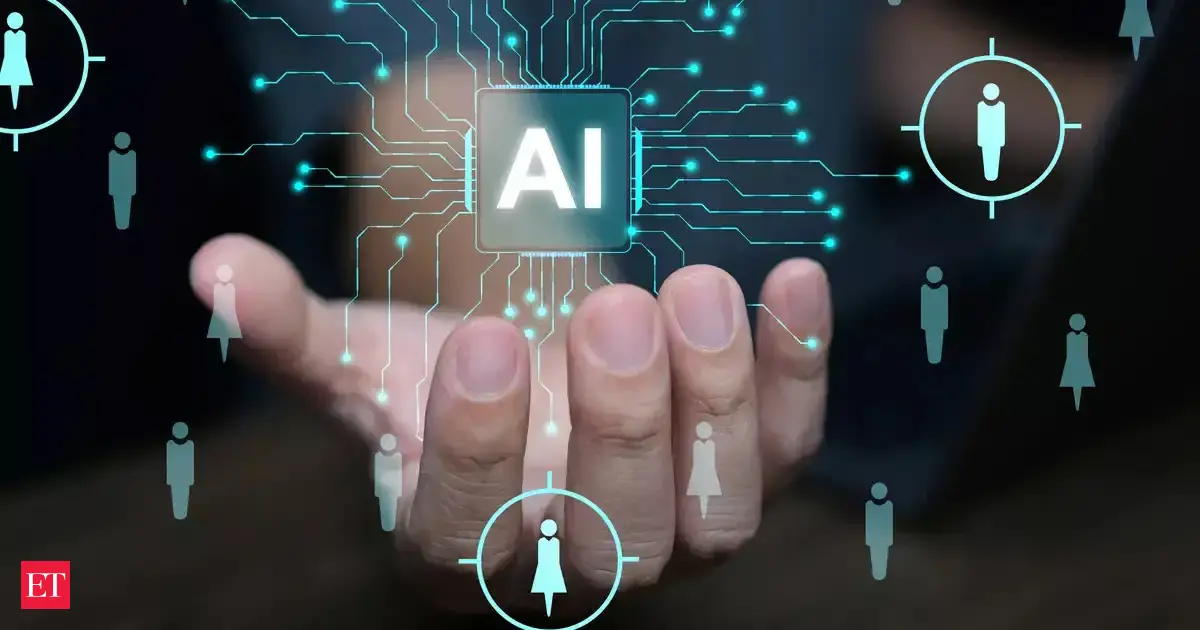
World Bank urges developing nations to seize AI opportunity
Developing nations should embrace artificial intelligence for rapid advancement. AI offers significant improvements in healthcare, education, and agriculture services. This technology can boost productivity and create new opportunities for workers. Governments must quickly address infrastructure and skill gaps to benefit. The World Bank sees AI as a crucial tool for economic growth.
AtlasHour updates articles as new verified information becomes available. Corrections and source context can be sent to the newsroom.